REVIEW · CANADIAN ROCKIES TOURS
3-Day Canadian Rockies Tour: Yoho & Jasper National Park
Book on Viator →Operated by Tourland · Bookable on Viator
Snow and turquoise lakes, all in one run. This 3-day Yoho and Jasper outing strings together iconic glacier lakes and a bilingual guide on an air-conditioned coach, so the scenery does the talking. I love that you get two nights of lodging plus breakfast for two mornings, which cuts down on what you have to organize; I also love how the schedule hits big views early. The main thing to think about: lunch and dinner aren’t included, and some optional upgrades (like the Maligne cruise or Icefields extras) require advance planning and can affect your timing.
I also like that the tour is built for real sightseeing, not just long drives. You’ll get short, focused stop times at each viewpoint, plus some deeper moments where you can hike a loop (like around Lake Louise) or walk trails like you mean it. One more heads-up: Canada’s mountain weather can change fast, and you’ll want to be ready to roll with what the day gives you.
If you’re the type who wants “first-class views per hour” and you don’t mind sharing the stops with a full bus, this can be a strong value. If you want lots of free time to wander with no schedule at all, you might feel a bit rushed.
In This Review
- Key highlights that matter
- Lake Louise and Moraine Lake: the turquoise-lake start that sets the tone
- Yoho National Park’s water stories: Natural Bridge and Emerald Lake
- The Spiral Tunnels: a quick detour that makes the Rockies feel real
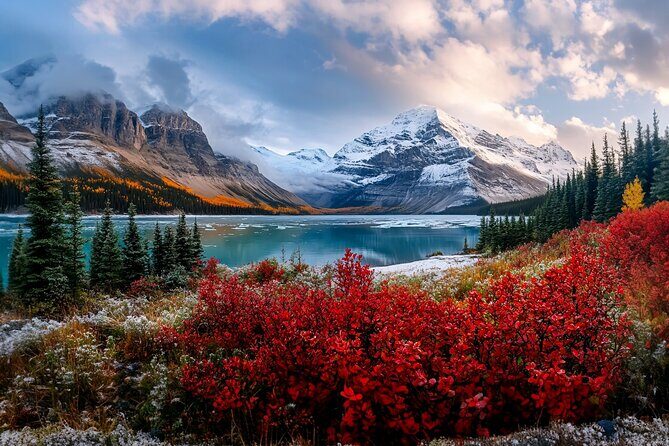
- Bow Lake and the Icefields Parkway: long views on a world-famous drive
- Columbia Icefield Discovery Centre: the big glacier stop (with optional add-ons)
- Athabasca Falls and Jasper Town: finish with force of water, then slow down
- Maligne Lake and Canyon: optional cruise time and a geology-focused break
- Medicine Lake, Peyto Lake, and Crowfoot Glacier: the final trio of “how nature changes fast”
- What you’re really paying for: price, included meals, and optional add-ons
- Group size, timing, and the reality of crowded icons
- Season matters: Moraine access and winter snowshoeing
- Should you book this Yoho & Jasper 3-day tour?
- FAQ
- What is included in the 3-day tour price?
- Are Lake Louise, Moraine Lake, and the other park stops admissions included?
- What optional activities can I add on?
- What happens if Moraine Lake is closed?
- Is there a winter version of Lake Louise?
- What if the weather is bad?
- Do I need to worry about pickup?
Key highlights that matter
- Lake Louise + Moraine Lake timing, plus a winter snowshoe option when the lake surface is snowy
- Two nights of accommodation and two included breakfasts so you can spend time sightseeing, not hunting meals
- Columbia Icefield Discovery Centre access with high-demand add-ons like the Ice Explorer and the Skywalk
- Moraine Lake seasonal swap to Vermillion Lake if Moraine isn’t open
- Jasper National Park stops that balance views and geology (canyon carving, sinking river notes)
- Multiple turquoise-lake hits across parks with frequent photo stops, from Lake Louise to Peyto Lake
Lake Louise and Moraine Lake: the turquoise-lake start that sets the tone
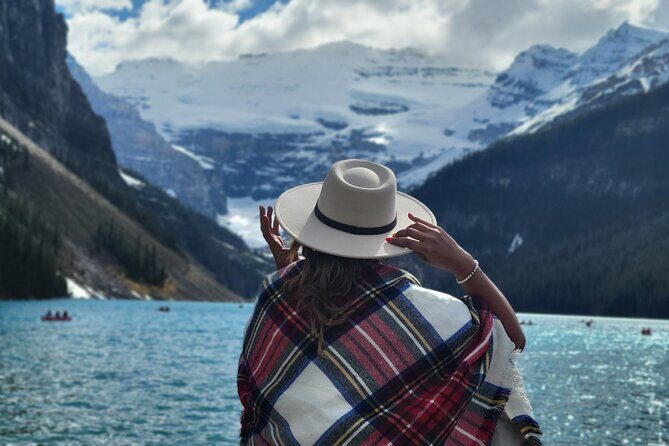
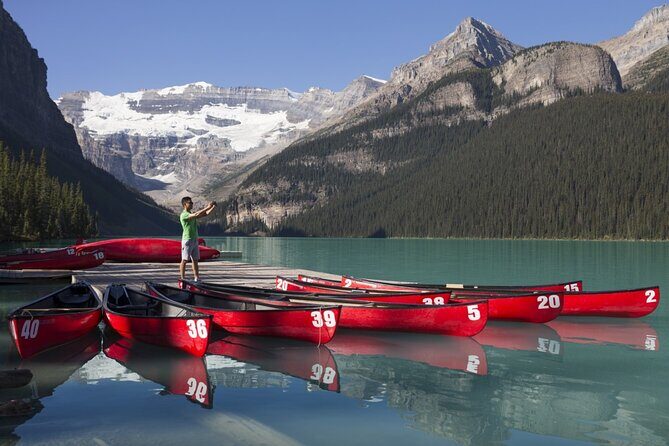
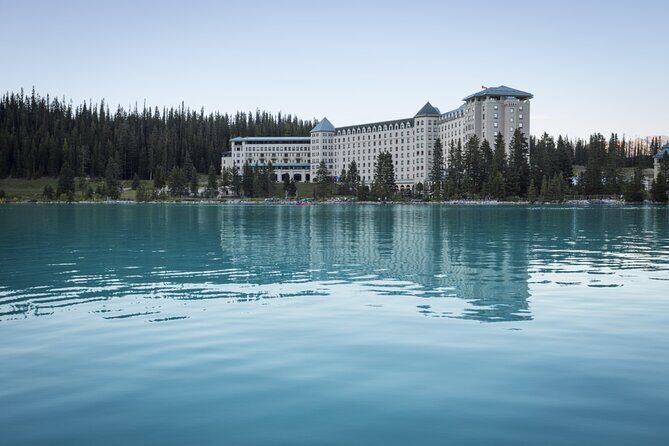
Your day begins with Lake Louise, one of the most famous lakes in Alberta. Expect big-time photo energy right away. You can snap as much as you want, then slow down for an easy win: hike the trail around the lake. That loop is one of the best ways to stretch your legs after getting rolling on the road.
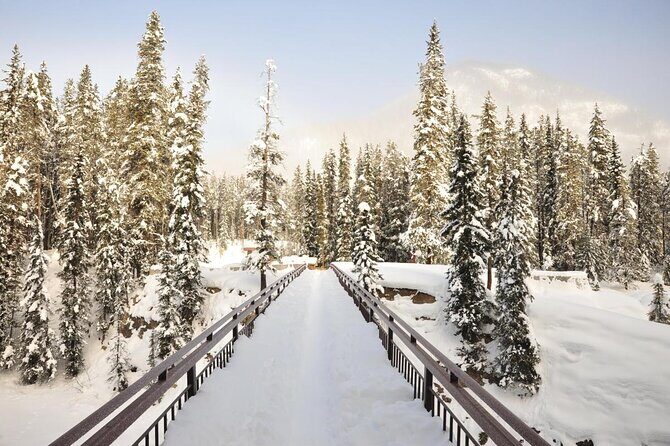
If you’re traveling in winter (Nov to mid-Apr), this stop gets even more fun. The tour includes free snowshoeing for about 20 minutes at Lake Louise, and snowshoes are provided. It’s a small slice of the winter experience, but it’s a great way to feel the mountains without spending hours coordinating gear.
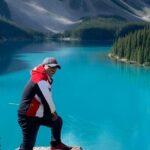
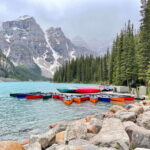
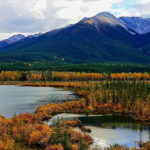
Next up is Moraine Lake, known for water that looks like it’s been edited. The color changes through summer as the glaciers melt, and the setting is dramatic: the lake is in the Valley of the Ten Peaks. In peak season, Moraine opens from June to early October. If it’s closed on your date, the tour replaces it with Vermillion Lake, so you don’t lose the turquoise payoff entirely.
Practical reality check: because these are top-tier photo stops, timing matters. Go early in the day if you want calmer viewpoints, and be ready to share angles.
Other Yoho National Park tours from Calgary
Yoho National Park’s water stories: Natural Bridge and Emerald Lake
After Moraine, the route shifts into Yoho National Park, and the vibe changes from postcard-lake to rock-and-water physics.
At Natural Bridge, you’ll see a structure sculpted by erosive forces—rushing water over what used to be a waterfall. The time here is short, about 15 minutes, so treat it like a quick science walk. If you like understanding how nature makes shapes, this is the stop that turns your photos into a lesson.
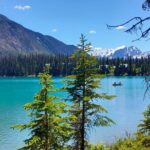
Then it’s Emerald Lake, the larger lake in Yoho National Park, with turquoise water and towering peaks of the Continental Divide overhead. You’ll get around 20 minutes here. It’s not enough time for a long hike, but it’s enough to capture the classic look and wander a bit at the edges.
This part of the day is also about variety. You’re not just stacking “pretty lakes.” You’re swapping in different geology and different types of scenery—bridges carved by water, and big water framed by mountain walls. That keeps the day from feeling repetitive, even when every stop is aiming for the same wow-factor.
The Spiral Tunnels: a quick detour that makes the Rockies feel real
One of the most interesting moments on this tour is the stop described as a major feat of rail engineering. You’ll learn about a train line grade kept at or below 2.2%, using two spiral tunnels that cross beneath itself twice—almost forming a figure eight—before the line continues down the mountain. The tunnels were completed in 1909.
Even if engineering isn’t your thing, this stop earns its place because it connects the mountains to human problem-solving. You’re seeing proof that the Rockies weren’t just a scenic backdrop; they were a challenge people had to solve for real.
Time here looks like it’s quick (no long window is listed), so don’t expect a deep technical tour. But do take a minute to notice the geometry. It helps your brain track why the road and rail lines have the twists they do once you’re back in the vehicle.
Bow Lake and the Icefields Parkway: long views on a world-famous drive
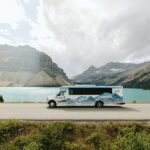
Day 2 is where the tour leans into the heart of the Rockies. You start at Bow Lake, about 20 minutes. It’s tied to the Bow River system that runs south through Calgary and onward to Hudson Bay. Even with a short stop, it’s a good reminder that these “pretty spots” are also parts of big water systems moving across thousands of kilometers.
Then you’ll be on the Icefields Parkway, described as a 232 km stretch through the Canadian Rocky Mountain Parks World Heritage Site. The way this is framed matters: it’s not just a scenic road. It’s access to wilderness of mountain lakes, ancient glaciers, and broad valleys—exactly the kind of region that usually requires planning and multiple days if you’re driving yourself.
So even if you don’t get out at every pull-off, this segment is valuable. You’re buying time and organization. The coach gets you there, and you’re not stuck figuring out where to park and what order to do things in.
If you’re the kind of traveler who likes to photo-document routes, keep your camera ready. The Icefields Parkway is full of chances to catch the mountains shifting with light.
Columbia Icefield Discovery Centre: the big glacier stop (with optional add-ons)
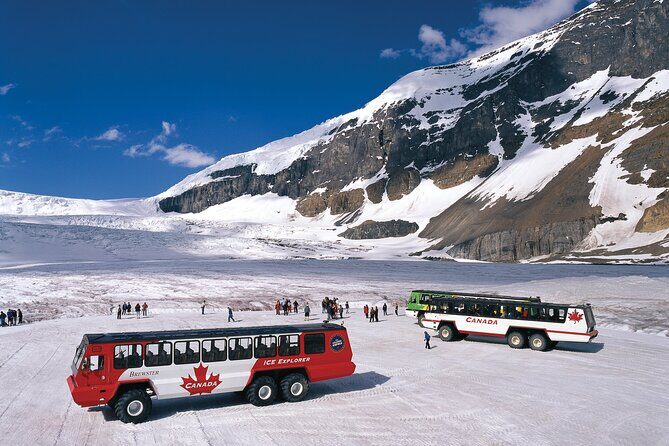
This is the tour’s centerpiece stop on Day 2: the Columbia Icefield Discovery Centre. Plan for about 3 hours 30 minutes of total time at this stop area, and then decide whether to add on the premium experiences.
You’ll have optional chances to go closer to the ice:
- Ice Explorer (optional)
- Columbia Icefield Skywalk (optional)
The tour notes that you should strongly book these options in advance, especially for high demand, and that Skywalk is designed around admission. If you wait and hope, you can end up watching others do the thing while you’re stuck without a seat.
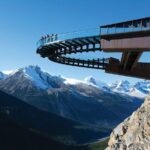
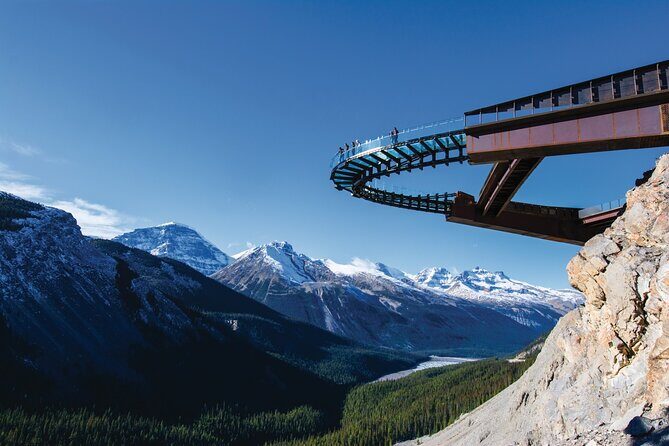
There’s also a walk experience after the Snocoach: a 1-kilometre walkway that leads to a platform where glass separates you from a 918-foot (280 m) drop. You step onto a cliff-edge walkway with giant glaciers above and the Sunwapta Valley spreading out below. It’s the kind of moment where you feel the height, not just see it.
Even if you skip the add-on, the Icefields area is still worth the time. But if you want the once-in-a-lifetime factor, treat these options like reservations, not casual upgrades.
Other Canadian Rockies tours we've reviewed in Calgary
Athabasca Falls and Jasper Town: finish with force of water, then slow down
After the icefield, you head to Athabasca Falls, about 30 minutes. It’s not the tallest waterfall in Canada by reputation, but it’s known for the sheer force of water flowing through from the Columbia Glacier. This stop is a good counterbalance to the glacier views: you trade altitude for motion and sound.
Then you reach Jasper National Park and Jasper Town as your base-feeling moment. The listed stop is short—about 1 minute with your own arrangement—so treat it as a quick orientation and a chance to connect the dots between the park and the town.
That pacing choice makes sense for a 3-day trip. You don’t linger too long and risk losing time elsewhere. You keep the day moving while still letting you land in Jasper as a real place, not just a label on a map.
Maligne Lake and Canyon: optional cruise time and a geology-focused break
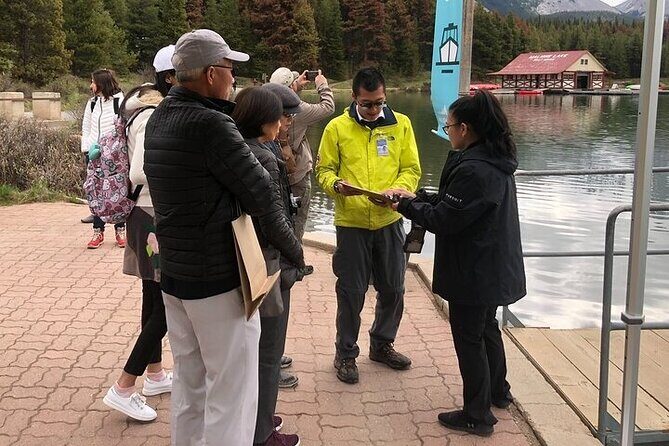
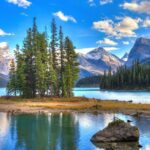
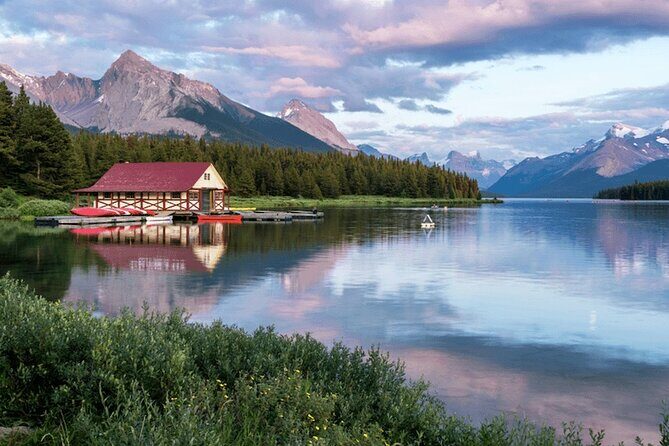
Day 3 starts at Maligne Lake, the largest natural lake in the Canadian Rockies. You get around 1 hour 40 minutes, and there’s an optional Maligne Lake cruise if you want a slower, scenic float through the views. Like the other high-demand option, the tour recommends booking this ahead.
Maligne Lake is a classic “stand there and look longer than you planned” kind of place. If you do the cruise, you’ll likely feel like you’re seeing the shoreline from angles you can’t replicate on foot.
Next is Maligne Canyon, about 30 minutes. This stop leans into deep time and rock formation: the canyon is carved into the Palliser Formation, described as limestone deposited in a shallow tropical sea by lime-secreting plankton around 365 million years ago. That fact can sound like trivia—until you see the canyon cuts and realize the water has been working for ages.
If you like when scenery comes with an explanation you can hold in your head, this is a strong pairing with the earlier water-sculpting stops.
Medicine Lake, Peyto Lake, and Crowfoot Glacier: the final trio of “how nature changes fast”
Your final day keeps stacking glacier-and-water theme with three stops that each offer a different kind of wow.
Medicine Lake is described as one of the largest known sinking rivers in the Western Hemisphere, and it may connect to a large cave system. The emphasis here is on mystery and underground movement. You’re not getting a cave tour detail in the provided info, but you are getting a chance to stand at a place where water doesn’t just flow over the surface.
Then it’s Peyto Lake, about 20 minutes. This glacier-fed lake sits in Banff National Park and gets its bright turquoise color from glacial rock flour. That’s the fine sediment carried from the glacier. If Peyto is closed on your date, the tour replaces it with Waterfowl Lakes, so you still get a similar payoff.
Finally, Crowfoot Glacier is your last stop, about 15 minutes. It’s named for its shape when discovered. The tour also notes that with climate change, the “Third Toe” is melted and barely visible. That’s the kind of stop that can hit a little harder than the others because it’s not just scenic—it’s also a record of change you can point to.
What you’re really paying for: price, included meals, and optional add-ons
The tour price is $883.08 per person for about three days. For me, the value angle is clear: you’re buying transportation, a bilingual guide, park access through a tight schedule, and two nights of accommodation plus two included breakfasts.
Those included items matter more than they might sound. Meals are expensive in remote areas, and finding breakfast options near the right trailheads can turn into a hassle. Here, you start two mornings already taken care of.
What’s not included is the rest of your day-to-day eating. Lunch and dinner aren’t included, so you need to budget for them. Based on how schedules work on tours like this, lunch timing is often the tightest moment—so I recommend you plan on quick meals and be flexible.
Then there are optional add-ons:
- Maligne Lake cruise
- Ice Explorer
- Columbia Icefield Skywalk
These can add cost fast, but they’re also the experiences that turn the day from great to unforgettable. The tour specifically flags the high demand nature of the Icefields add-ons and the need to book them with admission, so if you care about doing them, don’t treat them like last-minute extras.
Group size, timing, and the reality of crowded icons
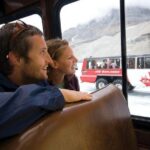
This tour caps at 50 travelers, and that size is the sweet spot where you still feel like a group, but you’re not dealing with dozens of buses. The coach is air-conditioned, and you’re using a bilingual tour guide, which helps when you want clear explanations about what you’re seeing.
Still, the biggest sites here are internationally famous. That means you will be sharing viewpoints with other people—sometimes with less-than-perfect manners. The fix is simple: don’t lock onto one perfect spot for too long. Take your photo, then move a bit. Keep your pace polite, and you’ll enjoy the views more.
Timing is also built around short stop windows (often 15–30 minutes, sometimes 1–2 hours). That works if you’re the type who wants a lot of different places in a short time. If you’re the type who needs long stretches alone, you might feel squeezed.
Season matters: Moraine access and winter snowshoeing
One of the most practical bits of information is seasonal replacement. Moraine Lake opens June to early October. If it’s closed during your travel dates, the tour replaces it with Vermillion Lake. This helps protect the “turquoise lakes” theme even when conditions don’t cooperate.
Winter changes the opening experience too. For the Lake Louise portion, the tour includes free snowshoeing (about 20 minutes) during Nov to mid-Apr. If you’re traveling in winter, this is a strong reason to choose this exact tour rather than a generic summer-only itinerary.
In other words: this tour isn’t just a list of famous stops. It’s set up to swap experiences when nature forces you to adapt.
Should you book this Yoho & Jasper 3-day tour?
Book it if you want a tight, high-views route that covers Lake Louise, Moraine Lake, the Columbia Icefield area, Jasper, and a strong final set of glacier-and-canyon stops. It’s especially good value when you factor in two nights lodging and breakfast, plus the fact that you don’t have to plan every drive and parking decision yourself.
Skip it (or think twice) if you hate schedules, need long free time at each location, or know you’ll want to eat out constantly without budgeting. Also be realistic about optional add-ons: if you want the Icefields Skywalk or the Maligne cruise, plan ahead.
If you show up with flexible expectations, this tour is the kind that gives you “how is this real?” moments on multiple days—without requiring you to act like a travel manager.
FAQ
What is included in the 3-day tour price?
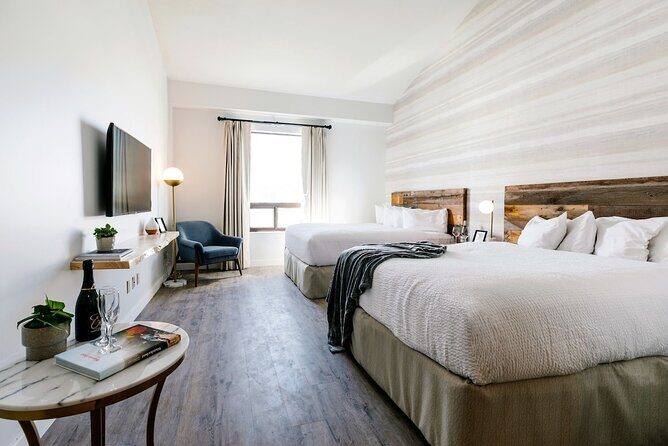
The tour includes an air-conditioned vehicle, a bilingual tour guide, GST and gratuity, accommodation for two nights (a room with 1 or 2 beds, max 4 people per room), accident insurance (10M liability), and breakfast for two days. Lunch and dinner are not included.
Are Lake Louise, Moraine Lake, and the other park stops admissions included?
Each stop listed includes an admission ticket marked as free (where specified). Some optional experiences are not included, like the Ice Explorer, Skywalk, and the Maligne cruise.
What optional activities can I add on?
At the Icefields area, you can add the Ice Explorer and Columbia Icefield Skywalk (optional; not included). On Day 3, you can add the Maligne Lake cruise (optional; not included). The tour strongly recommends booking these optional options because of high demand.
What happens if Moraine Lake is closed?
Moraine Lake opens from June to early October. If it’s closed on your date, the tour replaces it with Vermillion Lake.
Is there a winter version of Lake Louise?
Yes. For winter dates (Nov to mid-Apr), the Lake Louise stop includes free snowshoeing for about 20 minutes, and snowshoes are provided.
What if the weather is bad?
This experience requires good weather. If it’s canceled due to poor weather, you’ll be offered a different date or a full refund.
Do I need to worry about pickup?
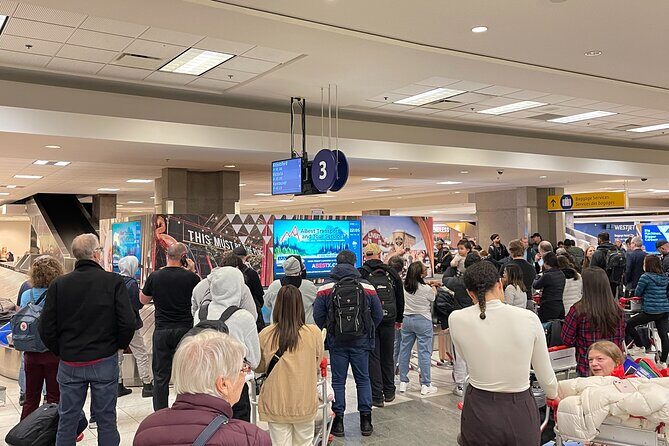
The tour meets all travelers at a meeting point, and specific hotel pick up is not included. It’s listed as near public transportation.