REVIEW · COLUMBIA ICEFIELD TOURS
Icefield: Icefield Parkway, Bow Lakes & Peyto Lakes Day Tour
Book on GetYourGuide →Operated by Calgary Tours · Bookable on GetYourGuide
One road, a lot of ice.
This Icefield Parkway day tour is built for big Rocky Mountain scenery, with the standout chance to walk on ancient Athabasca Glacier. I especially like how the route mixes postcard lakes (Peyto and Bow) with glacier reality at the Columbia Icefield. The main thing to watch is that it’s a long 9 to 11 hour day, and lunch isn’t included, so you’ll want a plan.
You’ll also get that classic Rockies feeling of turquoise water, cold-looking ice, and wide-open valley views, while your guide keeps the day moving between stops. Points and timing can shift with weather, and Peyto Lake can even swap to Waterfowl Lake if it’s closed. If you’re with Calgary Tours, the guidance style matters—some days feel extra smooth thanks to a driver/guide like Raymond, who was praised as friendly, helpful, and full of useful context.
In This Review
- Key highlights worth marking on your map
- Why the Icefield Parkway Drive Hits So Hard (Even Without a Car)
- Morning Departure, Weather Changes, and How the Day Stays on Track
- Peyto Lake: The Fox-Shaped Turquoise View You’ll Remember
- Bow Lake and Crowfoot Reflections: When the Rockies Copy Themselves
- Columbia Icefield: Where the Tour Becomes Real Ice
- Stop-by-Stop Value: What You Gain at Each Place
- Price and Logistics: Is $114 Good Value Here?
- The Practical Stuff That Makes or Breaks Your Day
- Guide Quality: The Human Difference (Raymond Was a Big Deal)
- Who Should Book This Icefield Parkway Day Tour?
- Should You Book It?
- FAQ
- What’s the duration of the Icefield Parkway day tour?
- How much does it cost per person?
- What’s included in the tour price?
- Is lunch included?
- Is there an optional glacier activity?
- Where does the tour run?
- What happens if Peyto Lake is closed?
- What languages are the live tour guides?
- Is this tour suitable for wheelchair users?
Key highlights worth marking on your map
- Icefield Parkway scenery along the Banff to Jasper route, with major stops timed for views
- Peyto Lake’s iconic fox-shape turquoise look (or Waterfowl Lake if Peyto is closed)
- Bow Lake reflections with Crowfoot Mountains mirrored on the water
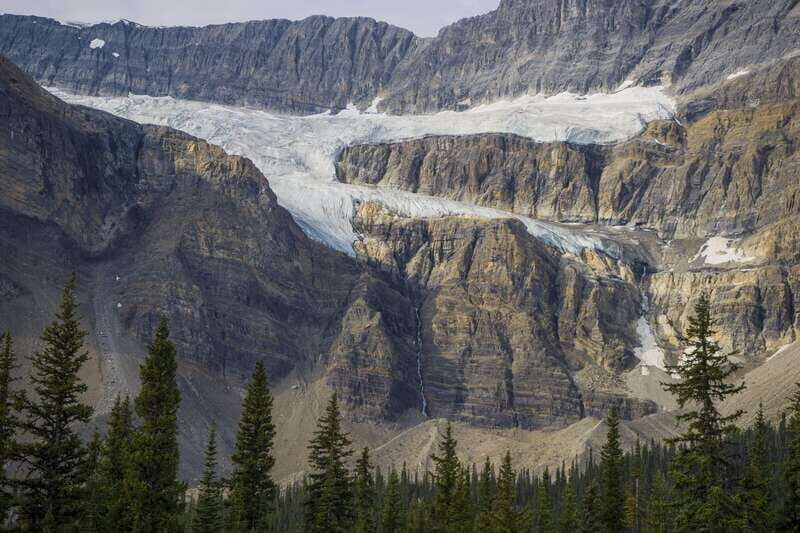
- Crowfoot Glacier observations and a clear reminder of climate change as the glacier recedes
- Columbia Icefield and Athabasca Glacier option, including the famous 25,000-year-old ice walk
Why the Icefield Parkway Drive Hits So Hard (Even Without a Car)
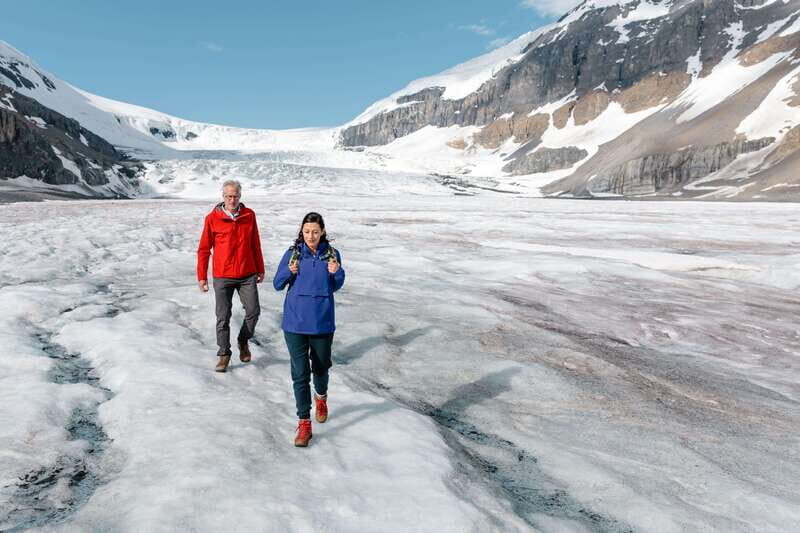
The Icefield Parkway is one of those rare drives where the road itself is the attraction. This tour focuses on the famous Banff-to-Jasper corridor, a 232 km stretch known for huge mountain views, glacier-fed lakes, and that “how is this real?” feeling you get when the Rockies are at full scale.
What makes it work as a guided day instead of a DIY mission is simple: you don’t have to guess where the best pullouts are or how long every stop takes. Your tour guide handles the rhythm, and you spend more of the day looking outward instead of checking your phone for parking lots and viewpoints.
I also like that the tour doesn’t only sell scenery. The stops are chosen so you see the Rockies in different moods:
- glacial lakes with bright color
- exposed ice features at the icefield
- distant mountain shapes that change with the light
In other words, it’s not just “pretty stops.” It’s a quick lesson in how this region is shaped by ice.
Other Columbia Icefield tours we've reviewed in Calgary

Morning Departure, Weather Changes, and How the Day Stays on Track
This experience runs for 9 to 11 hours and is usually available in the morning. That matters because the early timing can help with visibility for the glacier and lakes. It also helps you avoid turning the day into a late-night scramble for dinner plans.
Your day includes:
- an English-speaking tour guide
- transportation
- national park fees (so you’re not stuck figuring out ticketing on the fly)
One practical detail: sightseeing points and stop times can shift due to weather. If a viewpoint is closed, the tour swaps to another point. You’re still getting the core sights, just not necessarily in the exact same order every time.
It’s also a smaller piece of your planning puzzle that the guide language options include Chinese, English, and Japanese. If you’re not traveling with English, this is a real plus because you can actually follow the story of what you’re looking at.
Peyto Lake: The Fox-Shaped Turquoise View You’ll Remember
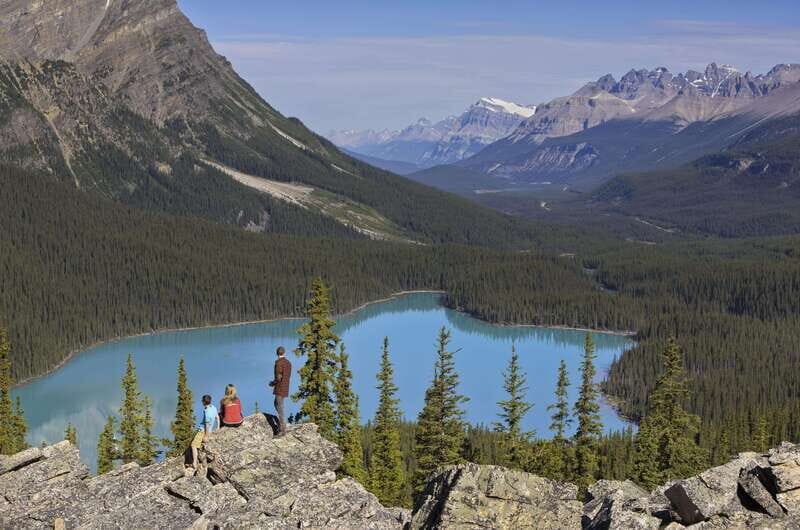
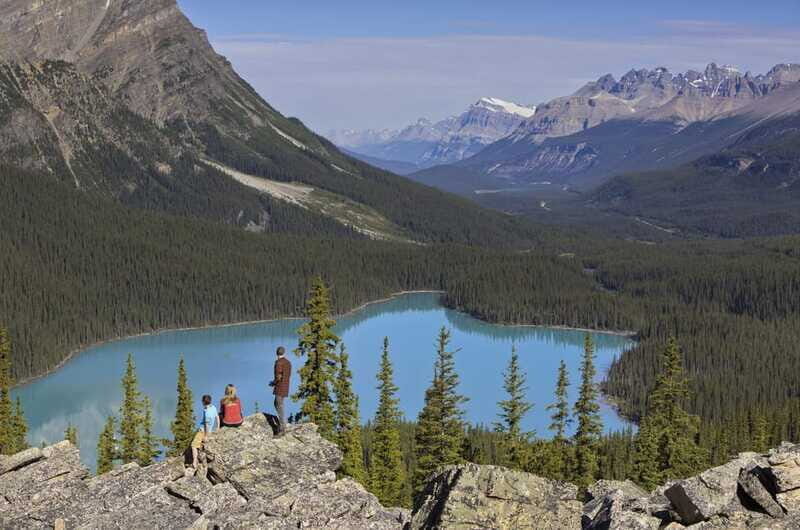
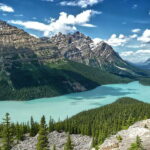
Peyto Lake is one of those places where people recognize it instantly once they see it—largely because it looks like a fox when viewed from the main overlook. It’s glacier-fed, and that’s why the water can look vividly turquoise.
Here’s what I’d watch for when you’re there:
- The viewpoint is the main show. You’re not wandering a long trail; you’re getting your time at the overlook for photos and breathing room.
- Color can look different depending on sun and cloud cover. On a flat, bright day you’ll get that classic intense blue-green look. On overcast days it can look more subdued but still striking.
One more heads-up: Peyto Lake may be replaced by Waterfowl Lake if it’s closed. That substitution is actually useful to know before you go, because you won’t feel like the day got watered down if Peyto isn’t available.
If you’re traveling in warmer months, bring a sun hat and sunscreen. Even when it looks cool in the mountains, sun reflection off bright water and ice can hit hard.
Bow Lake and Crowfoot Reflections: When the Rockies Copy Themselves
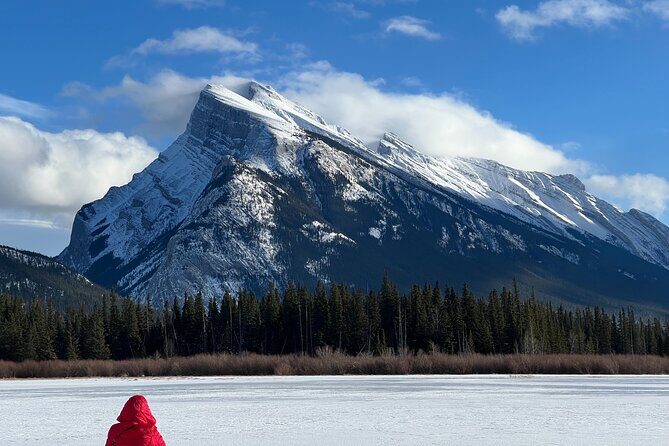
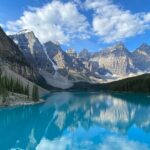
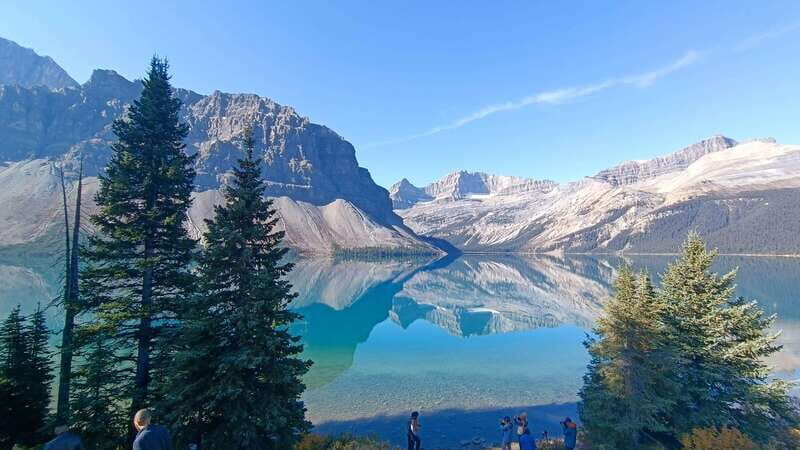
Bow Lake is another glacier-fed stop, known for striking blue water and the way the scenery seems to multiply. It’s also the headwaters of the Bow River, the river system that eventually flows through Calgary. Knowing that connection makes the stop feel more grounded: this isn’t just a pretty pond; it’s part of a bigger living system.
The “wow” moment here is the reflection. On the right day, the Crowfoot Mountains appear mirrored on the lake’s surface. That reflection look is one reason this stop lands as a favorite in glacier country—because it adds beauty you can’t fully capture from afar.
Crowfoot Glacier is also in this area, and the tour includes the chance to observe it. The name matters. The glacier is called Crowfoot because of a distinctive shape—often described as toes. The poignant part is that the glacier has largely receded, leaving only a smaller “third toe” in many views. It’s a visual reminder of climate change that feels immediate instead of abstract.
Reality check: reflections depend on conditions—wind, cloud cover, and water surface calm. Don’t be discouraged if it’s not a perfect mirror. Even without perfect reflection, the blue tone and the mountain backdrop are still the point.
Columbia Icefield: Where the Tour Becomes Real Ice
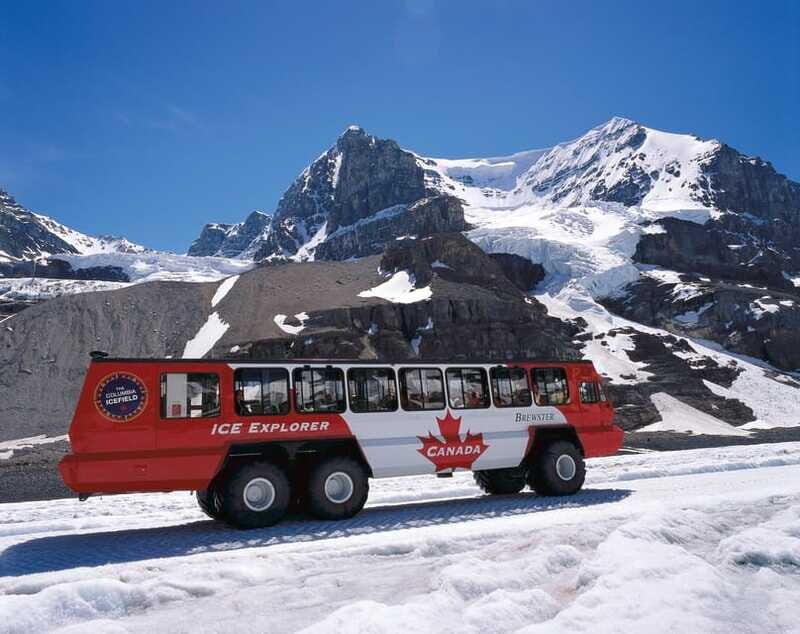
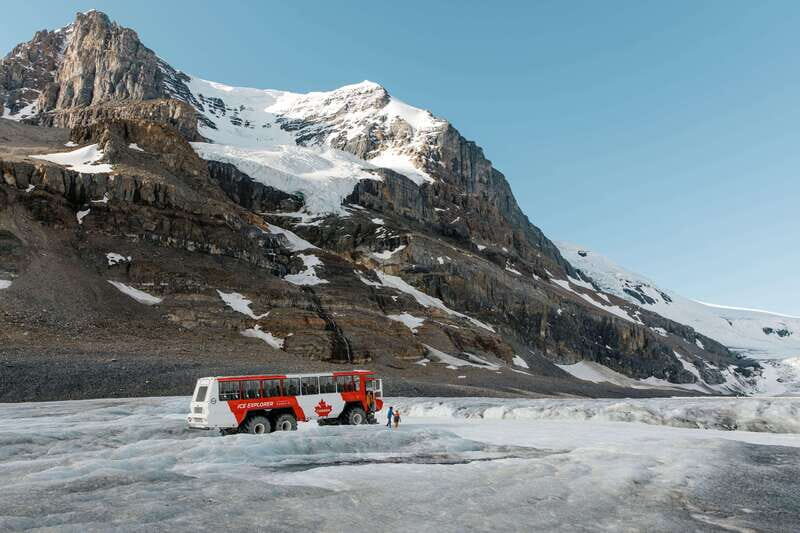
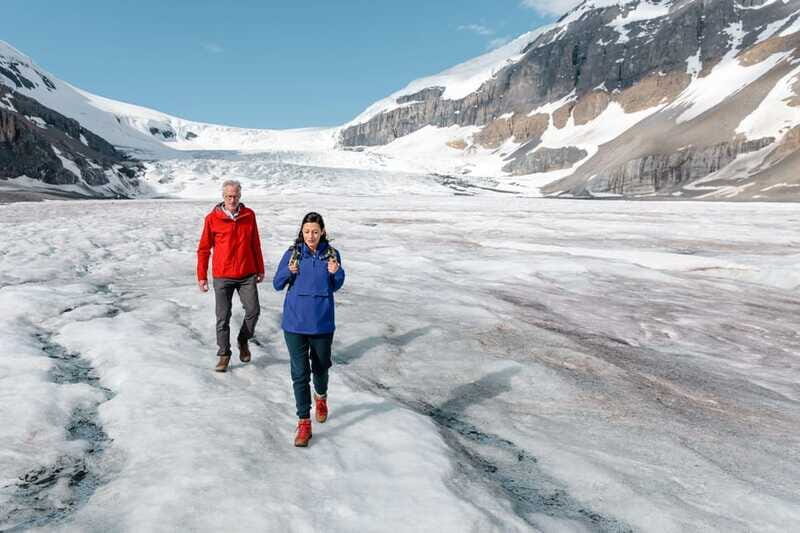
The Columbia Icefield is one of the big reasons people come to this region, and the tour treats it like the centerpiece. It’s described as one of the largest accumulations of ice south of the Arctic Circle, and it’s surrounded by that “high alpine engine room” vibe where everything feels colder and sharper.
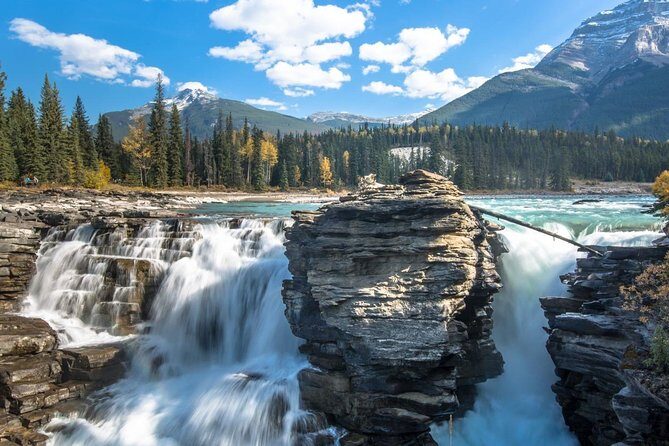
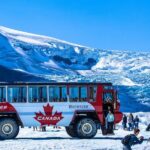
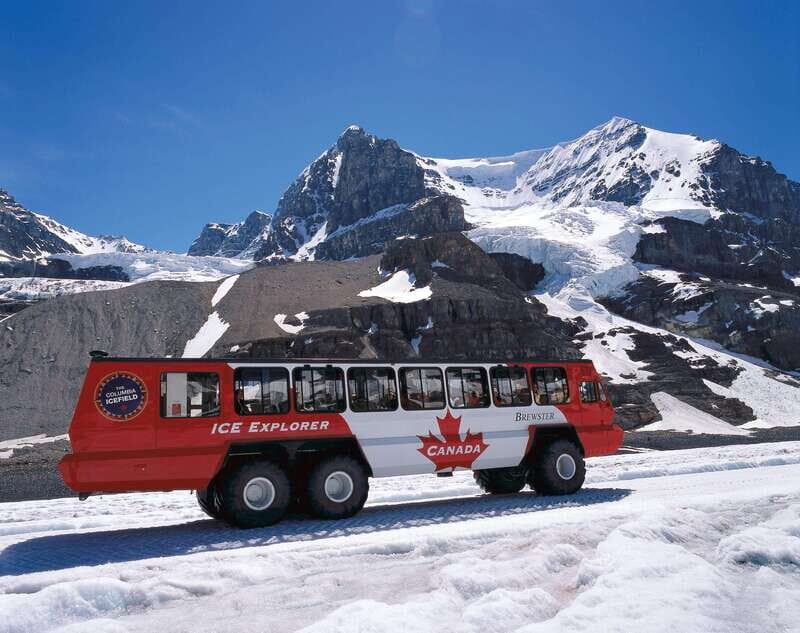
This is also where you can choose the optional glacier experience. Depending on what you select, you’ll have a chance to walk on ancient ice—the 25,000-year-old Athabasca Glacier is the headline moment.
Two related ways people experience it:
- the icefield walk on the glacier (the iconic part)
- the Ice Explorer option, which is optional and carries an additional cost
If you’re deciding whether to do the optional activity, think about what kind of memory you want. Glacier walks are not just for photos—they’re for the physical feeling of being on ice that’s far older than any human history in this region. It’s also the portion of the day most likely to feel worth the extra planning.
One note from a real-world expectation issue: some people hope for extra features at the glacier center. Since what’s included can vary by what option you choose, I’d treat any “extra attraction” wish list (like a skywalk, if that’s on your mind) as something to confirm before you commit to the glacier choice.
Other Peyto Lake tours we've reviewed in Calgary


Stop-by-Stop Value: What You Gain at Each Place
This day tour is built around a simple idea: limited time, maximum contrasts.
Here’s what each stop adds to your understanding:
- Icefield Parkway views: you get the big picture—rock, ice, and glacier-fed water in one continuous drive
- Peyto Lake: iconic shape plus vivid turquoise color in a quick, high-impact stop
- Bow Lake: reflective mountain scenery and a glacier-fed water system connection to Calgary
- Crowfoot Glacier: a close-to-the-source look at recession and the glacier’s distinctive toe-like shape
- Columbia Icefield / Athabasca Glacier option: the physical highlight that turns scenery into something you can actually stand on
The best value of a guided format shows up here. You’re not just seeing five separate sights. You’re seeing one story told across multiple viewpoints.
Price and Logistics: Is $114 Good Value Here?
At about $114 per person, this tour sits in the mid-range for a full day in major national park areas. The strongest value argument isn’t just the price—it’s what you don’t have to figure out yourself.
Included items you should appreciate:
- transportation
- English-speaking tour guide
- national park fee
Also, the duration (9 to 11 hours) means you’re getting a full day of access to major icefield and park stops. For many people, that’s the real bargain: it’s one paid solution for what would otherwise be a juggling act of driving, parking, ticketing, and route planning.
What’s not included matters for your budget:
- Lunch (you’ll want to bring snacks or plan where to buy food)
- a suggested service charge of CAD 15 per guest for the driver and guide
So I’d think of the total cost as:
- base tour fee
- lunch and your glacier option (if you choose the Ice Explorer / walk option)
- the suggested tip if you appreciated the service
If you’re traveling without a car or you just don’t want to manage logistics in winter-think weather, this format often feels like good value.
The Practical Stuff That Makes or Breaks Your Day
A scenic day tour can still feel frustrating if you’re not prepared. Here’s what helps most, based on the details you’re given:
What to bring
- Sun hat and sunscreen are non-negotiable in bright mountain conditions.
- One piece of carry on is allowed per person (size rules apply, so keep it simple).
What not to bring
- Pets aren’t allowed.
Weather reality
- Stop times and points can change. That’s not a problem if you accept it as part of mountain travel. It’s common enough to plan with the mindset of flexibility.
Comfort and mobility
- This tour isn’t suitable for wheelchair users. If you need accessibility accommodations, this particular format won’t be the right match.
You’ll feel the long-day factor too. Even if every stop is amazing, you’re spending a large chunk of the time in the vehicle. If you love road views and don’t mind time on the bus, you’ll do great.
Guide Quality: The Human Difference (Raymond Was a Big Deal)
One consistent theme from the experience quality is that the guide can make a long day feel easier. In the feedback, Raymond came up as a standout—friendly, helpful, and thoughtful about guests’ needs, with enough knowledge to add meaning to what you’re seeing.
That kind of guidance matters most at the glacier and viewpoints, where it’s easy to feel like you’re just taking pictures. A good guide helps you understand what you’re looking at—like why Bow Lake’s water looks the way it does, or why Crowfoot Glacier’s shape has that name and why the receding is so striking.
There’s also a gentle caution from another experience: some people expected a specific extra feature at the glacier center, and they also felt the arrangements on arrival could have been better. My practical advice is simple: when you arrive at the main activity point, ask early what you’re doing next and what your option includes. It keeps the day smooth.
Who Should Book This Icefield Parkway Day Tour?
This is a strong fit if:
- you want the famous Icefield Parkway sights without driving yourself
- you love glacier scenery and want the option to walk on Athabasca Glacier
- you’re happy with a structured day and quick viewpoint time at multiple stops
- you appreciate factual guiding and want the day to feel organized
It’s likely not your best match if:
- you need wheelchair accessibility
- you’re hoping for a relaxed, slow travel pace with long hikes
- you’re expecting lunch to be provided
Also, because Peyto Lake can be replaced by Waterfowl Lake when closures happen, you’ll still get a meaningful substitution—but if Peyto is your one obsession, keep that backup in mind.
Should You Book It?
If your goal is to see the biggest icefield highlights of the Canadian Rockies in one day, I think this tour is a smart booking. The value comes from the combination of transportation + guide + park fees, plus the optional chance to get on the ice at the Columbia Icefield.
Book it if you’re excited by the name drops: Peyto Lake, Bow Lake, Crowfoot Glacier, Columbia Icefield, Athabasca Glacier, and the Banff-to-Jasper corridor.
Consider skipping or double-checking details if you’re counting on a specific extra feature at the glacier center, since what’s included depends on the exact option you choose.
FAQ
What’s the duration of the Icefield Parkway day tour?
It runs about 9 to 11 hours, usually with a morning start.
How much does it cost per person?
The price is listed as $114 per person.
What’s included in the tour price?
You get an English-speaking tour guide, transportation, and national park fees.
Is lunch included?
No. Lunch is not included.
Is there an optional glacier activity?
Yes. You have the chance to walk on ancient ice during an optional Athabasca Glacier experience, and the Ice Explorer is described as optional with additional cost.
Where does the tour run?
It’s along the Icefield Parkway between Banff and Jasper National Parks, with stops such as Peyto Lake, Bow Lake, Crowfoot Glacier, and the Columbia Icefield area.
What happens if Peyto Lake is closed?
Peyto Lake will be replaced by Waterfowl Lake if it is closed.
What languages are the live tour guides?
The tour guide languages are Chinese, English, and Japanese.
Is this tour suitable for wheelchair users?
No, it’s not suitable for wheelchair users.