REVIEW · CALGARY MUSEUMS
Calgary: Gasoline Alley Museum Admission
Book on GetYourGuide →Operated by Heritage Park Historical Village · Bookable on GetYourGuide
Classic cars and old fuel gear.
At Gasoline Alley Museum in Calgary, you can walk through restored automobiles and working display vehicles from the early 1900s into the 1950s, all in one place. I like how the admission is focused and easy to plan, with on-site interpreters to help you make sense of what you’re seeing—though the tradeoff is that it’s museum entry only, not access to the rest of Heritage Park’s village attractions.
Two rooms quickly steal the show. First: the classic cars, trucks, and working vehicles feel like they’ve been pulled straight from a bygone street. Second: the display of antique gasoline pumps and petroleum signage is the kind of detail that turns a car museum into a mini history of how people bought, moved, and powered around North America. If you’re expecting a full day of multiple Heritage Park attractions, you’ll want to plan for that separately.
In This Review
- Key points to plan your visit around
- Entering Gasoline Alley Museum: a tight, fun museum mission
- Restored cars, trucks, and working vehicles (1900s to the 1950s)
- The antique gasoline pump and petroleum signage obsession
- Pre-WWII automobile artifacts: where the story gets older
- How the museum explains the automobile’s big social shift
- Using on-site interpreters to get more out of every display
- The lower showroom: save extra energy for the second round
- Price and value: is $10 a smart spend for one day?
- Heritage Park timing: year-round museum, seasonal village hours
- Getting there: the 1900 Heritage Dr SW meeting point
- Who this experience is best for
- Should you book Gasoline Alley Museum admission?
- FAQ
- How much does Gasoline Alley Museum admission cost?
- How long is the ticket valid?
- Where is the meeting point?
- Is there public transportation support?
- Is the museum wheelchair accessible?
- Are pets allowed?
- What’s open year-round?
Key points to plan your visit around
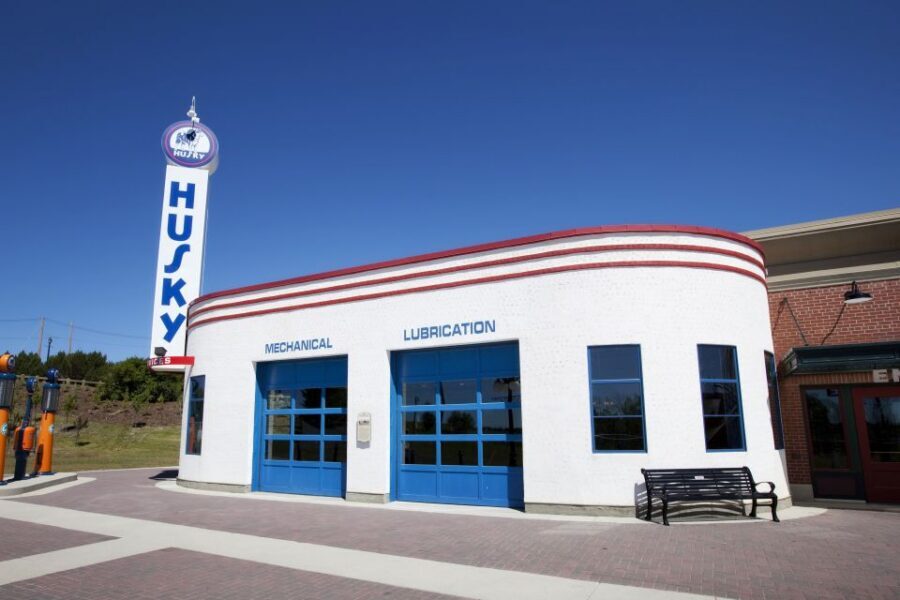
- Restored vehicles across 1900–1950s lets you track how designs and tech changed.
- Antique gasoline pumps and petroleum signage turn a fuel theme into real storytelling.
- Pre-WWII automobile artifacts give the displays serious depth.
- On-site interpreters help you connect the hardware to everyday life.
- A separate lower showroom adds extra artifacts once you think you’ve seen it all.
- Family-friendly setup makes it easy to enjoy without feeling like you need a lecture.
Entering Gasoline Alley Museum: a tight, fun museum mission
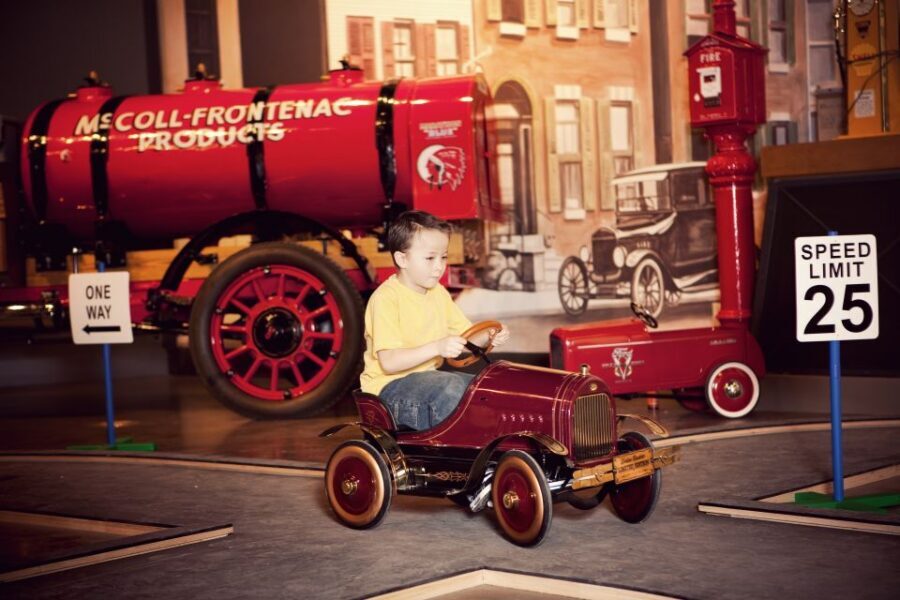
Gasoline Alley Museum is the kind of stop that works even if your day is already packed. The whole point is clear: learn how the automobile showed up, spread, and changed daily life—and you do it by looking at real vehicles plus the fuel-and-infrastructure world around them.
You’ll walk into an organized set of exhibits where cars aren’t treated like trophies behind glass. They’re presented as part of a bigger system: manufacturing, fueling, branding, and the shift from horse and carriage to the motor car. I like that the museum doesn’t just say the automobile changed everything. It shows the pieces that made that change possible.
There’s also a practical bonus for many visitors: you get on-site interpreters. That means you’re not left guessing what you’re looking at—especially helpful when you’re staring at signage, pump hardware, and older mechanical details that don’t come with obvious labels.
Other Calgary museums we've reviewed

Restored cars, trucks, and working vehicles (1900s to the 1950s)
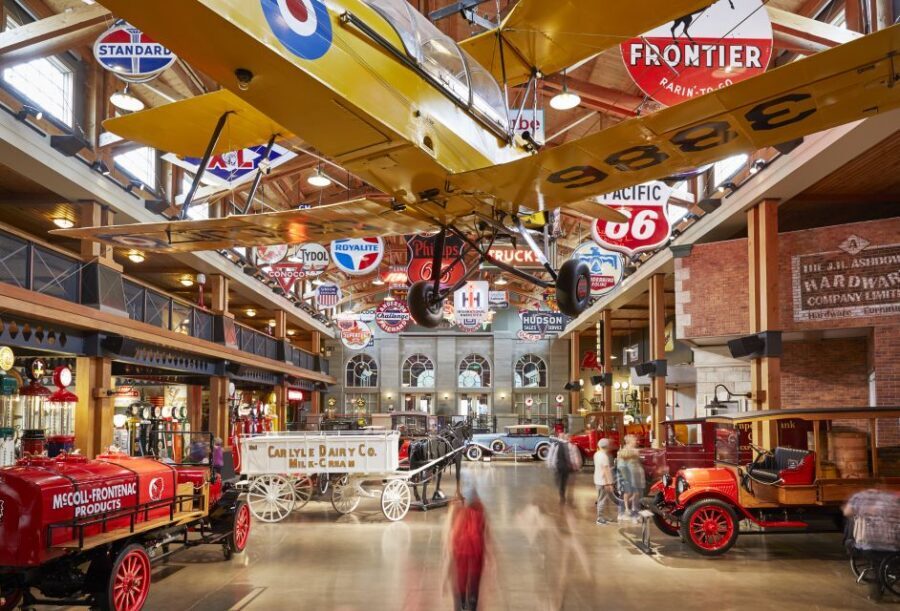
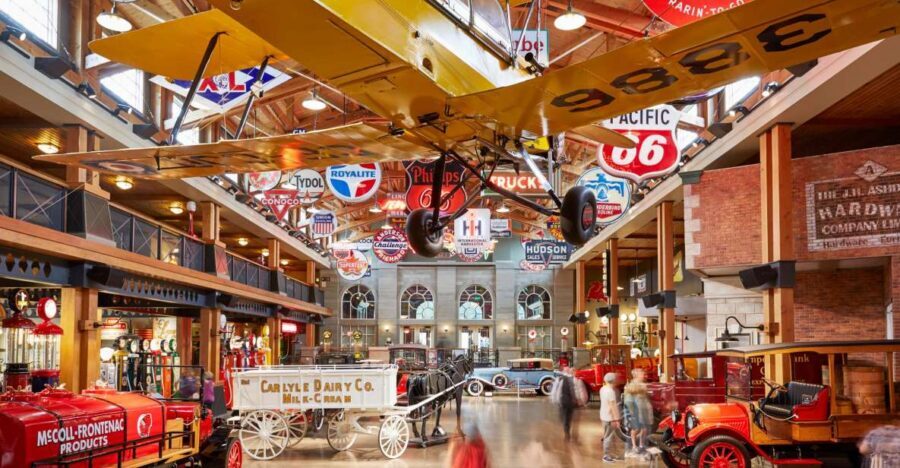
The main draw is the impressive collection of restored classic automobiles—plus trucks and working vehicles—spanning the 1900s through the 1950s. The period coverage matters. You’re not just seeing one “era of cool cars.” You’re seeing how the look and function of vehicles evolved as the automobile became more common.
What you’ll enjoy most is the way the displays help you compare eras. Early vehicles are usually easier to spot because everything looks simpler and more mechanical. As you move forward into the mid-20th century, the vehicles start to reflect a more standardized, mass-produced world.
A nice element here is variety. It’s not only passenger cars. You’ll also see vehicles that connect the auto to work and movement—trucks that suggest hauling and commerce, and other working types that fit the museum’s “gasoline alley” theme. That mix tends to keep the exhibits from feeling repetitive, even if you’re not a hardcore car person.
The antique gasoline pump and petroleum signage obsession
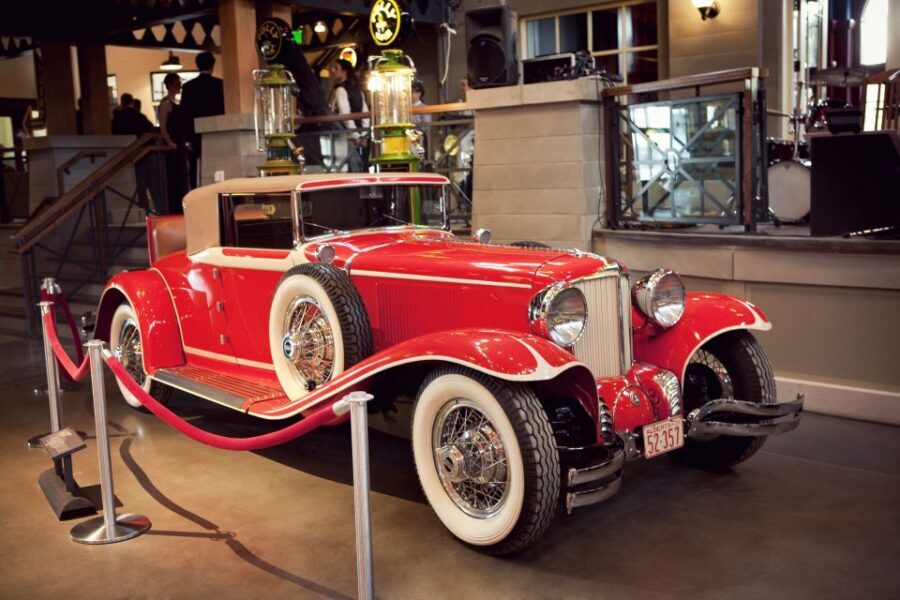
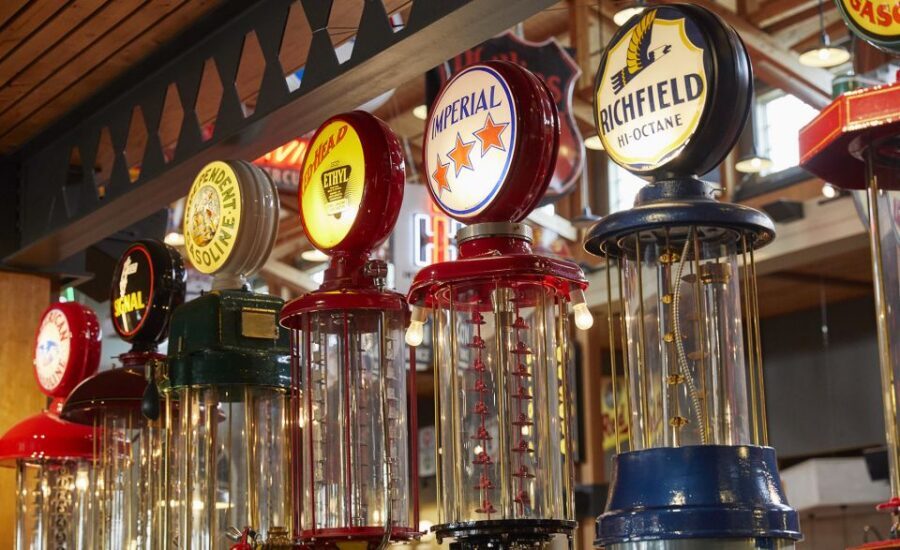
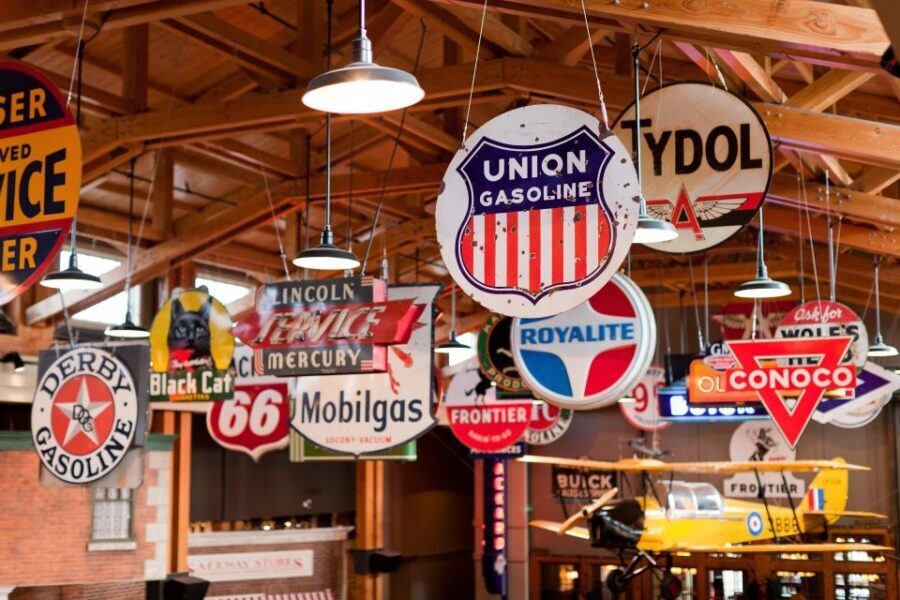
If you like details, don’t rush this part. One of the most praised aspects is the museum’s collection of antique gasoline pumps and the wide variety of signage from historical petroleum companies. This is where the museum becomes more than a car collection.
Why pumps and signage? Because they were the everyday interface between the public and the fuel system. A pump isn’t just a machine—it’s a sign that a new way of moving has become normal. The advertisements and company logos tell you who was competing, how branding worked, and how fuel stations became recognizable landmarks.
The gasoline pump collection is the type of thing you can keep staring at longer than you expect. The shapes, labels, and hardware details make it easy to understand how fueling would have felt in real life. And the petroleum signage adds extra context: you’re seeing the “visual language” of the industry, not just the technology.
It’s also a great section for mixed groups. Kids often enjoy the “real old stuff” factor, while adults tend to slow down when the signage and pump design click into place as evidence of social change.
Pre-WWII automobile artifacts: where the story gets older
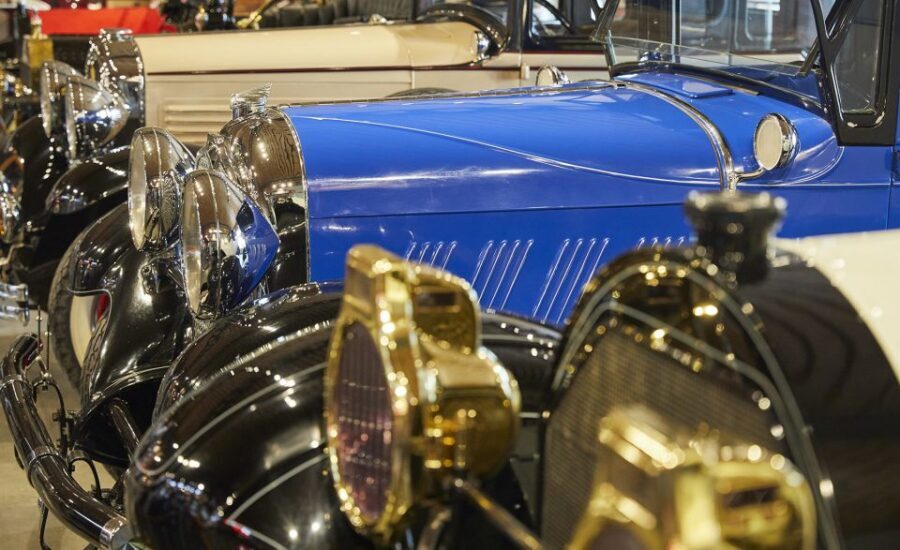
One of the bigger values here is that you can see some of the world’s oldest automobile artifacts, including items from before WWII. That’s a key difference between a casual car display and a museum that actually covers the roots of the automobile era.
When you’re looking at older artifacts, you start noticing what changed over time—not only the vehicle shape, but the relationship between the vehicle, the fuel supply, and the public infrastructure that grew around it. The “history of the automobile in North America” framing makes the exhibits feel more connected to real timelines, instead of being a pile of interesting objects.
If you’re the kind of person who likes to understand why something happened, this is where the exhibits help you connect cause and effect. The move from horse and carriage to motor car wasn’t just about comfort. It brought major social change—new job types, new travel patterns, and a shift in how cities and towns functioned around roads and fuel.
How the museum explains the automobile’s big social shift
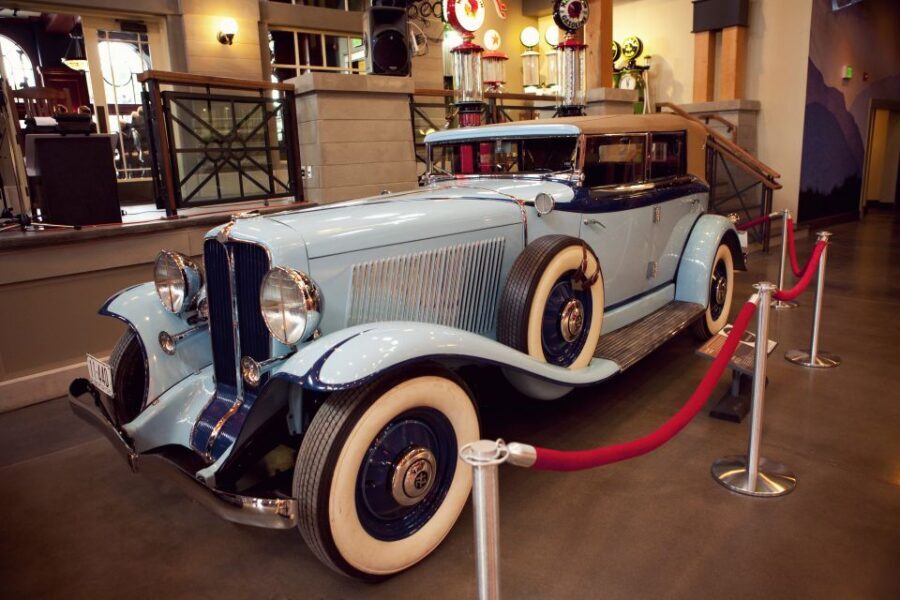
A lot of museums show you objects. Fewer explain what those objects meant. Gasoline Alley Museum aims right at the transition period: how the motor car replaced horse-drawn transport and spread through society.
That matters for your visit because it gives you a lens. When you’re looking at vehicles and fuel equipment, you can ask smarter questions like:
- What would have been easier after the shift?
- What needed to be built or marketed to make cars practical?
- How did fueling become part of everyday routine?
The exhibits are set up to guide you through that logic without turning the visit into a textbook. And with on-site interpreters, you can get answers to the small questions that keep popping up when you see older tech.
Other museum experiences in Calgary



Using on-site interpreters to get more out of every display
On-site interpreters are included with admission, and that’s a real value driver. Even if you only catch a few explanations, it can transform a “look and walk” visit into something more satisfying.
From the review themes, the interpreters (and volunteers) tend to be friendly and capable at answering questions. That kind of help is especially useful in a museum like this, because older cars and fuel gear can look similar at first glance until someone points out what you should focus on.
Here are a few ways to make interpreters work for you:
- Ask what you’re looking at if labels feel vague.
- Point out a pump or signage item and ask what company or design features represent.
- If you’re with kids, ask for the simplest version of the story first, then go deeper if interest stays high.
You’ll end up with a visit that feels like you understood it, not just walked through it.
The lower showroom: save extra energy for the second round
Don’t treat the museum like a quick loop. There’s a lower showroom with even more artifacts, and it’s worth planning for. The benefit is simple: you’ll likely get a better sense of the breadth of the collection once you’ve seen the main galleries, then come back down and notice what else the museum preserved.
The lower level is also where your attention can shift from “cars as the star” to “how everything worked together.” That kind of viewing sequence—main displays first, extra artifacts second—tends to make the overall story stick.
Practical tip: if you’re visiting with family, agree on what you want to see most before you go. Then use the lower showroom as the bonus round if everyone’s still engaged.
Price and value: is $10 a smart spend for one day?
Admission is $10 per person for a 1-day visit. On paper, that sounds modest, but the value is in what’s included: you’re not only buying access to exhibits, you’re also getting on-site interpreters and a museum format that’s family-friendly and easy to understand.
In other words, you’re paying for time plus context. If you enjoy history you can see—objects you can look at, not just read about—$10 is a fair deal. And because the museum is focused, you’re less likely to feel like you’re overpaying for a “maybe” experience.
Also, this is one of those museums where a shorter visit can still feel worthwhile. You don’t need to be a car expert to get something real out of it. That makes it a good value stop for a day in Calgary where you want culture without the commitment of a half-day monument.
Heritage Park timing: year-round museum, seasonal village hours
Here’s where planning matters. Gasoline Alley Museum (and the Railway Café) are open year-round. The rest of the Heritage Park Historical Village is closed from mid-October to mid-May.
In summer months, Gasoline Alley Museum is included with the general admission to Heritage Park Historical Village. So if you’re visiting in the warmer season, check how your day at Heritage Park is ticketed—sometimes you’ll get the museum without paying separately.
If you’re visiting during the closed-season months, Gasoline Alley Museum still gives you a solid heritage experience even when other village attractions aren’t operating. That makes it a reliable choice when Calgary weather or seasonal closures limit what else is open.
Getting there: the 1900 Heritage Dr SW meeting point
The meeting point is 1900 Heritage Dr SW, Calgary, AB T2V 1R1. If you’re using public transportation, there’s a shuttle bus available from the Heritage LRT Station.
For practical trip planning, I’d do this:
- Time your arrival so you’re not rushing.
- Build in a little extra slack if you want to linger over the gasoline pump and signage displays.
- If you’re pairing it with other Heritage Park time in summer, confirm which tickets you’re using so you don’t duplicate costs.
The museum is wheelchair accessible, which makes it easier for families and anyone using mobility aids to enjoy the exhibits comfortably.
Who this experience is best for
This is a strong pick if you like:
- Classic cars and the nuts-and-bolts era before everything standardized
- Fuel and roadside history, not just vehicle design
- Family-friendly museums where kids can have fun without getting bored
- People who enjoy learning social history through objects
It’s also a good choice if you’re short on time. The experience is contained, understandable, and focused, and you can choose how much depth you want by how much you slow down.
If you only care about modern vehicles or you expect a hands-on technical workshop, you might feel it’s more of an exhibit-and-explain museum than a lab. But if you enjoy seeing artifacts and getting historical context, it fits nicely.
Should you book Gasoline Alley Museum admission?
Yes, if you want an easy-to-plan Calgary stop that mixes restored vehicles with detailed fuel-and-signage history. At $10, you’re getting a focused museum experience plus on-site interpreters, and the exhibits cover enough decades (from the 1900s into the 1950s, plus pre-WWII artifacts) to feel like you learned something real.
Book it especially if:
- You like the idea of a gasoline-and-auto story, not just cars
- You’ll be in Calgary on a day where you want something straightforward and family-friendly
- You’re visiting during the part of the year when other Heritage Park village attractions are closed, since the museum runs year-round
Skip it only if you’re looking for a full-day attraction bundle beyond the museum itself, because this admission focuses on Gasoline Alley Museum content.
FAQ
How much does Gasoline Alley Museum admission cost?
Admission is listed at $10 per person.
How long is the ticket valid?
It’s valid for 1 day, from the first activation.
Where is the meeting point?
The meeting point is 1900 Heritage Dr SW, Calgary, AB T2V 1R1, Canada.
Is there public transportation support?
Yes. If you’re using public transportation, a shuttle bus is available from the Heritage LRT Station.
Is the museum wheelchair accessible?
Yes, wheelchair accessibility is included.
Are pets allowed?
No, pets are not allowed.
What’s open year-round?
Gasoline Alley Museum and the Railway Café are open year-round. Other attractions of the Heritage Park Historical Village are closed from mid-October to mid-May.