REVIEW · CANADIAN ROCKIES TOURS
7 Days Canadian Rockies Camping Tour Package
Book on Viator →Operated by Fresh Adventures · Bookable on Viator
Cold air, warm camp food, huge views. This 7-day Canadian Rockies camping tour moves you through the best-photo stretches around Lake Louise, the Icefields Parkway, and Yoho National Park—with daily guided hikes and hands-on camp setup. With a small group (max 12) and options for different fitness levels, it’s the kind of trip where the scenery is big, but the day still feels manageable.
I especially like how the guides (Ali and Catherine are standout names I saw, plus Oli and Renee in other groups) keep the pace moving while still offering choices—like rafting vs. hiking, or a glacier walk vs. a viewpoint hike. I also love the food plan: breakfasts, lunches, and dinners are included, and the guides handle the hard part so you can focus on the views.
One drawback to plan for up front: this is a quick-paced, drive-heavy style of trip. If you get mosquito-bothered or you prefer lots of downtime, you may feel it—one campsite switch happened during peak mosquito season, which tells you weather and conditions can shape the day.
In This Review
- Key things you’ll like most
- From Calgary Marriott to Lake Louise camping: how Day 1 actually feels
- Icefields Parkway and Athabasca Glacier: the first glacier day hits hard
- Icefields Parkway again: Bow Lake and Peyto Lake give you variety
- Lake Louise hike to Moraine Lake, then Golden: changing base camps the smart way
- Yoho Valley and Iceline Trail: waterfall power without the huge crowds feel
- Kicking Horse River rafting: safety-first fun plus a hiking alternative
- Banff hot springs on the way out: a gentler last day
- Price and logistics: is $2,349.39 per person good value?
- What to pack (and what will save you)
- Who this tour fits best (and who might feel cramped)
- Should you book it?
- FAQ
- Where does the tour start and end?
- What time does the tour start?
- How big is the group?
- What’s included in the price?
- What should I bring for the trip?
- Are meals included each day?
- Is rafting included?
- What about changes or cancellations?
Key things you’ll like most
- Small group size (max 12) means you get to actually move together, not just follow a crowd.
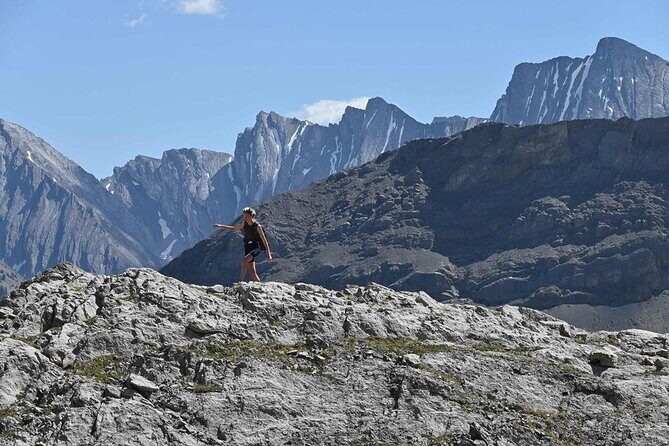
- Guided hikes every day with real route options for different legs and comfort levels.
- Major Rockies highlights packed in: Icefields Parkway, Athabasca Glacier area, Bow Lake/Peyto Lake, Lake Louise/Moraine Lake, and Yoho’s waterfall terrain.
- Beginner-friendly rafting on the Kicking Horse River with safety-focused guides.
- Meals included for 6 full days so you’re not budgeting or cooking most nights.
- Guide flexibility in real conditions, including fast changes when campsite problems show up.
From Calgary Marriott to Lake Louise camping: how Day 1 actually feels
You start at the Calgary Marriott Downtown Hotel at 2:00 pm. From there, you load into a 15 passenger van (with a trailer for gear) and head toward Banff and the Rockies. The trip includes a quick stop in Canmore so you can grab last-minute supplies you forgot—things like sunscreen, bug spray, and basic extras.
Then comes the first big shift: camping. You’ll arrive at the Lake Louise campsite, get a clear orientation, and set up your tent with help from the guide. That matters more than it sounds. Camping in bear-and-weather country is easier when someone shows you the basics first—how to settle in, where to put what, and how to make sure you’re ready for early mornings.
That first evening is also where the trip becomes social. You get a welcome dinner, then you settle in around the campfire and get to know your new group. In one firsthand account of this tour style, the guide team was good at turning small moments into memories—like celebrating a personal event with a spontaneous picnic. Even if you don’t come with a big moment planned, campfires are where these trips start to feel like yours.
Practical note: the tour lists camping accommodation as double occupancy. So if you book solo, you should expect to share tent setup with another person.
Other Canadian Rockies tours we've reviewed in Calgary
Icefields Parkway and Athabasca Glacier: the first glacier day hits hard
The next morning pushes straight into famous country. Day 2 is built around the Icefields Parkway, the stretch that’s basically a greatest-hits reel of Canadian Rockies scenery. From Lake Louise, you’re driving toward the Icefields area, and the goal is simple: you’re there for the views, and you’re there for them properly.
Once you enter Jasper National Park, you’re greeted by the Athabasca Glacier, part of the Columbia Icefields. This is where the trip gives you choices, and you can match the experience to your comfort level:
- You may walk to the base of the glacier.
- You can opt for a guided glacier walk.
- Or you can take a guided hike to a viewpoint higher above for bird’s-eye perspectives.
After that, you’re looking at a full day of glacier time plus an organized rhythm: drive, stop, hike, and then regroup. One of the things I like about this structure is it reduces decision fatigue. You’re not trying to figure out timing on your own in a place where parking, weather, and trail conditions can complicate everything fast.
Day 2 also includes a heavier-but-doable hike option (example: Wilcox Pass, about 10 km with ~450 m elevation gain, around 3–4 hours). If you’re aiming for a moderate effort day, this is the type of hike that still leaves time for photos and a calm finish.
Icefields Parkway again: Bow Lake and Peyto Lake give you variety
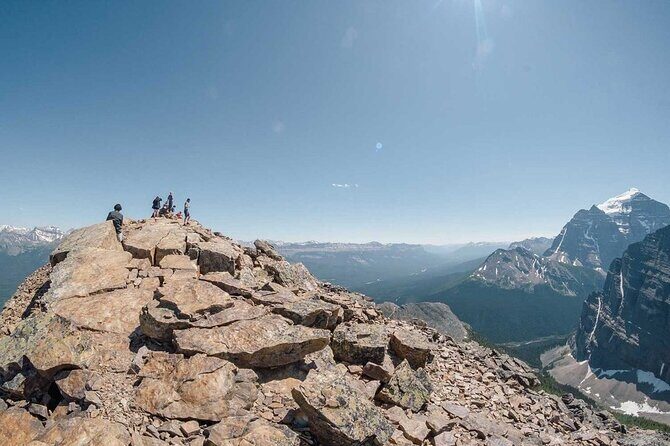
On Day 3, the tour keeps you on the Icefields Parkway area instead of cutting it down. That’s smart. The Rockies are not a one-stop show, and it’s hard to absorb glacier-country scenery when you keep bouncing between too many destinations.
This day pivots from glacier views to the lakes and falls vibe:
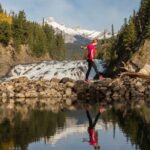
- First stop: Bow Lake, with a guided hike option. You can aim for a high alpine lake, or go for a hike that focuses on Bow Glacier Falls—where water from the ice system feeds the valley.
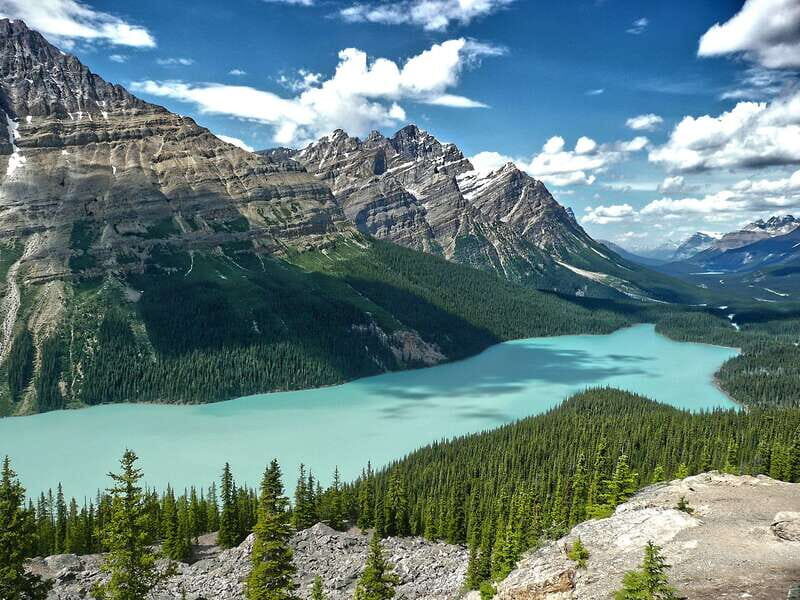
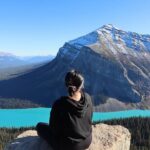
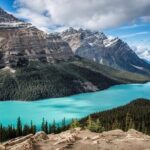
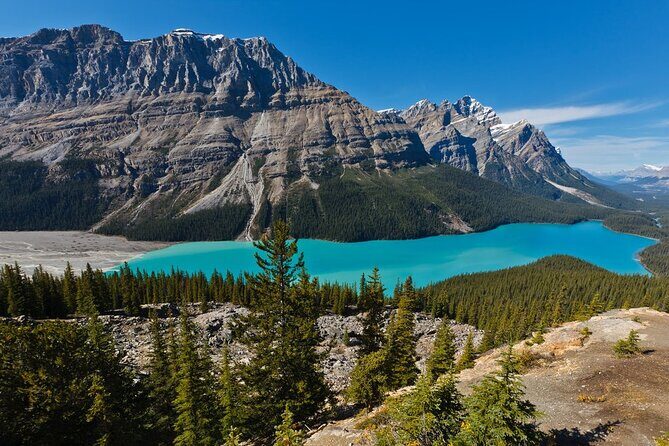
- Then: Peyto Lake, one of the most recognizable Rocky Mountain lakes for photos.
The typical hike here is listed as Bow Glacier Falls (about 9 km, ~300 m elevation, around 3 hours). That’s a good “earn the view” length: long enough to feel like a proper Rockies day, not so long that you’re cooked by afternoon.
Driving time is shorter than other days (about 1.5 hours to the next key area), which helps you keep energy. And if you’re the type who worries about getting burned out by constant movement, this pacing detail matters.
Lake Louise hike to Moraine Lake, then Golden: changing base camps the smart way
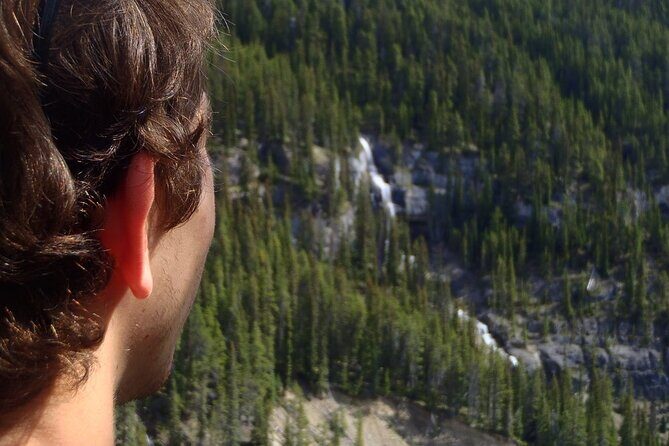
Day 4 starts close to camp at Lake Louise. There’s a big difference between arriving at a scenic spot and hiking around it in the morning light. This day gives you that morning hike by the water and peaks—plus you’re in the right season for dramatic moments if conditions cooperate (the tour mentions potential ice breakoffs far above).
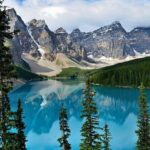
After the hike, you shift to Moraine Lake, one of the most sought-after and harder-to-reach locations in the area. Getting there with a guide helps you focus on what you actually came for: the view, the light, the walkways, and the photo spots that matter. This is also a classic “slow down and take it in” place, even if the overall trip pace stays busy.
Then you do a practical move: you leave Banff and drive about 1.5 hours west through Yoho National Park to Golden, BC, where you’ll be based for the next three nights. Golden is set right between three national parks, which is why it works as a camping hub. It also lets you reduce some backtracking compared to constantly changing campsites.
This stop-to-base pattern is one of the quieter strengths of the trip. You get variety without turning the week into nonstop packing.
For Day 4’s hike, the example is Plain of Six Glaciers (about 15 km, ~700 m elevation, 4–6 hours). That’s the kind of day that tests endurance and ankles. If you’re choosing your options day by day, plan to match the hike to your energy, not your ego.
Yoho Valley and Iceline Trail: waterfall power without the huge crowds feel
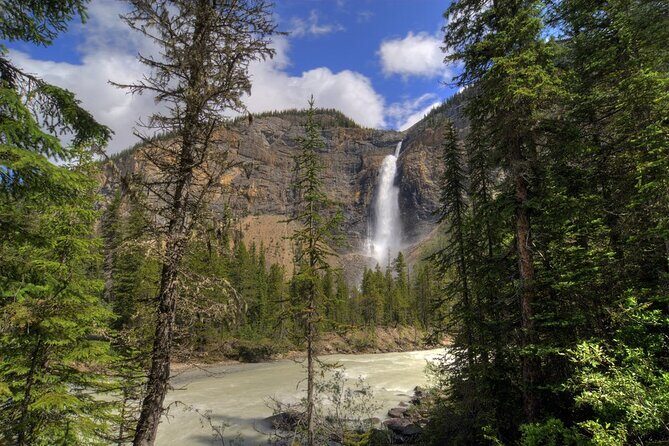
Day 5 is where Yoho shows its personality. You head deep into the Yoho Valley and work your way toward Takakkaw Falls, described as the highest waterfall in the Canadian Rockies. The height is the point: so much water turns to mist before it hits the ground. If you’re close enough (and you choose to get close), you might end up soaked—which can be a fun trade on a hot sunny day.
Then you switch to hiking on the Iceline Trail. This is a trail choice that sounds simple on paper, but it’s a big part of why this tour feels different from basic “drive and point” days. The Iceline Trail is guided, and the guide pace matters on routes like this, where high views show up at the exact moments you’d want them.
On Iceline, you get bird’s-eye views down on Takakkaw Falls, and you also pass the Emerald Glacier. The tour description points out how this trail can feel less crowded, which is one reason it’s so satisfying: you’re not fighting for space every few minutes.
The listed typical hike is Iceline Trail (about 12 km, ~500 m elevation, 4–5 hours). That’s a solid midweek effort day. You’ll feel it, but it’s not an all-day grind with no reward.
A few more Calgary tours and experiences worth a look
Kicking Horse River rafting: safety-first fun plus a hiking alternative
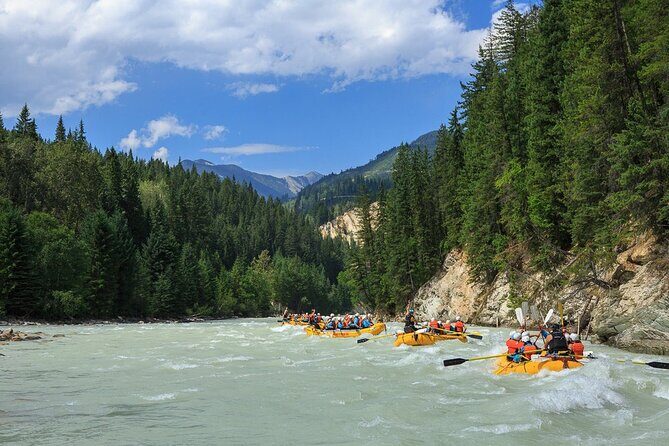
Day 6 changes the tone with water—specifically rafting on the Kicking Horse River. Some people get “kicked by the horse,” and some people end up seeing the humor right away. Either way, you’re dealing with strong river energy, and the tour frames it as beginner-friendly and safe with expert guides.
There’s also a fun bit of cause-and-effect that the guides highlight: the water you saw falling down Takakkaw Falls yesterday takes roughly 16 hours to rush through the valley and show up as your river day. It’s a neat reminder that these places are connected systems, not just photo stops.
You’ll raft with a group and safety procedures handled. If you’d rather not get sprayed head-to-toe in glacial water, the tour includes an alternative: a different guided hike in Yoho National Park. Time permitting, you may also be able to squeeze in Wapta Falls.
That “swap plan” matters if you’re traveling with mixed interests in the group. It’s also a good match for different weather moods—if river conditions aren’t ideal, the tour has a way to keep your day moving with another guided route.
Banff hot springs on the way out: a gentler last day
Day 7 is your decompression day in disguise. You have one more breakfast, pack camp, and then you head back toward Banff. You still drive through Yoho National Park, but by the time you reach Banff you’re done with the hardest part of the trip: the daily long hikes.
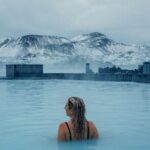
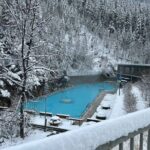
In Banff, the tour includes historic mineral springs. That’s a smart last-day inclusion because your legs will already be talking. Soaking isn’t just comfort—it’s recovery, and it helps you turn sore hiking muscles into something you can handle for travel days.
After that, you depart Banff and drop you off in downtown Calgary at 2 pm. The full circle is tight: pickup at 2 pm on Day 1, then back around mid-afternoon on the last day.
Price and logistics: is $2,349.39 per person good value?
At $2,349.39 per person, this isn’t a bargain trip. But it also isn’t just transport and a checklist of viewpoints.
Here’s what your money is buying:
- Round-trip logistics from Calgary by van (with gear trailer)
- 6 nights of camping with double occupancy
- Park passes
- Daily guided hikes
- Meals included: 6 breakfasts, 6 lunches, 6 dinners
- Hot springs entry fees, if applicable
- Guided rafting (for the rafting day)
When you break it down, the value comes from the fact that you’re not paying separately for guiding, park access, or meal planning every day. You’re also not doing the heavy lifting of route research and “what should we do today” decisions.
What you still need to budget:
- Alcohol (not included)
- Gratuities (listed as typical $5–$10 per person per guide per day)
- Travel insurance (not included)
- Personal gear that the tour expects you to bring (like hiking boots, a bathing suit, rain jacket, and sleeping bag or rental)
My practical take: this price makes sense if you want a structured trip with low planning stress and you’re happy with camping. If you hate camping, dislike sharing, or want lots of downtime, you’ll feel the cost more than the value.
What to pack (and what will save you)
The tour lists required equipment, so don’t wing it. Plan on:
- Hiking boots
- A sleeping bag (or plan to rent one)
- Rain jacket
- Day pack
- Clothing you can layer
- Bathing suit (you’ll use it for rafting splash and hot springs)
Also, given the tour operates in mosquito season at least sometimes, bring bug spray and use it. One real example from this trip style showed campsite conditions hitting hard enough that the guides changed the evening plan fast. You don’t want to be stuck thinking about dinner logistics when you’d rather be thinking about your next view.
Who this tour fits best (and who might feel cramped)
This is a strong fit for:
- People who like guided hiking and want route support
- Travelers who want iconic Rockies stops without managing the schedule alone
- Solo travelers who are comfortable meeting others in a small group
- Anyone who prefers “organized adventure” over total independence
The tour may feel off if:
- You want a slow pace with lots of free time
- You don’t like cooking/cleanup rhythms (even with meals included, camp setup and dish duties can still take time)
- You get miserable with insects or weather swings
- You need total privacy (double occupancy camping and group movement are part of the deal)
The physical fitness level is labeled moderate, and the hike examples range from about 3 hours to 4–6 hours on longer days. If you’re used to hiking but not to elevation gain, choose your pace early and don’t try to “win the trip” on Day 4.
Should you book it?
I’d book this tour if you want your Rockies week to feel like a guided best-of with real hiking and real glacier-and-water days, plus the payoff of Banff hot springs at the end. It’s also a good choice if you’re the kind of traveler who values safety and smooth coordination, especially on activities like rafting.
I wouldn’t book it if your ideal vacation is quiet, unplanned, and slow. This tour runs on momentum. You get downtime, but it’s short, and you’ll spend a lot of the week in the rhythm of moving, hiking, regrouping, and setting up camp.
If you fall somewhere in the middle—adventure first, comfort second—this is a solid way to do the Canadian Rockies without the stress of designing the whole trip yourself.
FAQ
Where does the tour start and end?
It starts at the Calgary Marriott Downtown Hotel in Calgary and ends back at the same meeting point.
What time does the tour start?
The start time is 2:00 pm.
How big is the group?
The maximum group size is 12 travelers.
What’s included in the price?
Transportation in a 15 passenger van with a trailer, 6 nights camping accommodation (double occupancy), park passes, daily guided hikes, meals (6 breakfasts, 6 lunches, 6 dinners), hot springs entry fees if applicable, and hot springs.
What should I bring for the trip?
You should bring hiking boots, a bathing suit, a sleeping bag (or arrange to rent one), a rain jacket, clothing, and a day pack.
Are meals included each day?
Meals are included for 6 breakfasts, 6 lunches, and 6 dinners.
Is rafting included?
Yes, rafting on the Kicking Horse River is included, and the day may also include a hiking alternative if you prefer not to raft.
What about changes or cancellations?
The experience is non-refundable and cannot be changed for any reason; if you cancel, the amount you paid will not be refunded.